The Role of Robotics in Manufacturing Technology
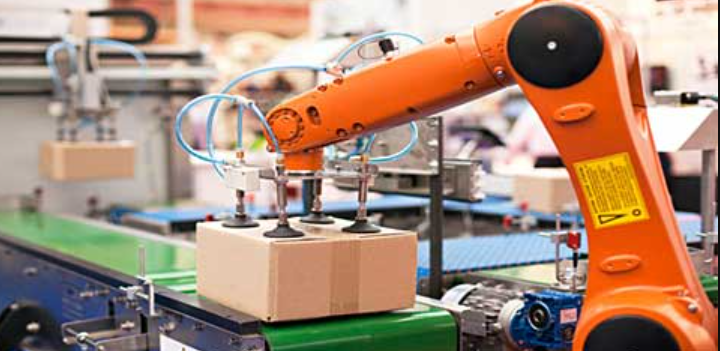
Robotics significantly influences manufacturing technology by streamlining processes and enhancing productivity. Automation reduces cycle times and maintains consistent output quality, mitigating human error. As manufacturers increasingly adopt collaborative robots, they must also consider workforce implications and the need for retraining. The integration of robotics presents both opportunities and challenges for operational efficiency. Understanding these dynamics is crucial for grasping the future trajectory of manufacturing in an ever-evolving technological landscape.
Enhancing Efficiency Through Automation
Automation revolutionizes manufacturing processes by integrating robotics, which significantly enhances operational efficiency.
The deployment of robotic processes streamlines production lines, minimizing human error and reducing cycle times.
Automated assembly systems further optimize workflows, ensuring consistent output quality and increased throughput.
This technological shift allows manufacturers to adapt swiftly to market demands, fostering an environment of flexibility and innovation that aligns with the pursuit of operational freedom.
Impact on Workforce Skills and Training
As manufacturing processes increasingly rely on robotics, the need for a workforce equipped with advanced technical skills becomes paramount.
This shift necessitates targeted skill development through comprehensive training programs that emphasize robotics programming, maintenance, and system integration.
Challenges of Integrating Robotics in Manufacturing
While the integration of robotics into manufacturing presents numerous opportunities for efficiency and innovation, several significant challenges must be addressed.
Cost considerations, including initial investment and ongoing maintenance, can deter adoption.
Additionally, technical limitations such as interoperability and programming complexity may hinder seamless integration.
Addressing these challenges is crucial for manufacturers seeking to leverage robotics effectively while maintaining operational flexibility and productivity.
See also: The Role of Innovation in Technology
Future Trends in Robotics and Manufacturing Technology
How will future advancements in robotics reshape manufacturing technology?
The emergence of collaborative robots will enhance workforce efficiency, enabling seamless human-robot interaction.
As smart factories evolve, integrating IoT and AI, production systems will become increasingly autonomous and adaptable.
This synergy will lead to optimized processes, reduced downtime, and enhanced flexibility, ultimately empowering manufacturers to respond swiftly to market demands while ensuring operational freedom.
Conclusion
In the evolving landscape of manufacturing technology, robotics symbolizes the bridge between traditional craftsmanship and futuristic innovation. As automated systems revolutionize production lines, they illuminate pathways to efficiency and adaptability, akin to a lighthouse guiding ships through turbulent waters. However, the challenges of integration and workforce transformation remain shadows that must be navigated. Ultimately, the synergy of robotics and manufacturing represents a tapestry of opportunity, where the threads of technology weave together to create a resilient and competitive industry.